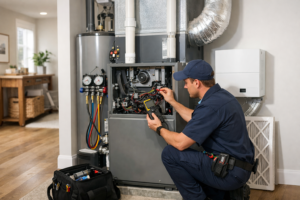

Imagine trying to sprint, but stopping every 10 seconds before you catch your breath. That’s essentially what your air conditioner is doing when it short cycles.
AC short cycling happens when your system turns on and off too frequently without completing a full cooling cycle. Instead of running long enough to properly cool your home, it shuts down prematurely, only to start up again moments later.
In a healthy system, your AC should run in steady cycles, usually lasting 10–15 minutes or longer depending on conditions. But if it’s switching on and off every few minutes, something is wrong.
Why Short Cycling Is a Serious Problem
Short cycling isn’t just annoying, it’s one of the fastest ways to destroy your HVAC system.
Here’s why:
1. Massive Energy Waste
Each startup uses more electricity than continuous operation. Frequent cycling drives your energy bills up fast.
2. Compressor Damage
Your compressor is the heart of your AC and also the most expensive component. Constant starting and stopping wears it out prematurely.
3. Higher Repair Costs
What starts as a minor issue can quickly escalate into a major repair or full system replacement.
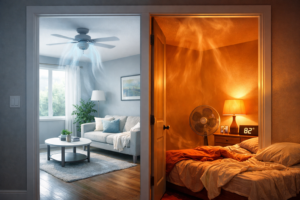
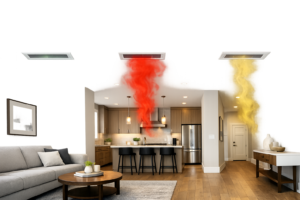
4. Uneven Cooling
Your home never reaches the desired temperature, leaving hot spots throughout.
7 Common Causes of AC Short Cycling
Let’s break down the real reasons behind this issue, many of which homeowners in Tracy experience during peak summer months.
1. Dirty Air Filter
This is the simplest and most overlooked cause.
A clogged filter restricts airflow, causing your system to overheat and shut down early.
Think of it like breathing through a straw. Eventually, your system “gives up” and turns off.
Fix: Replace your air filter every 1–3 months.
2. Thermostat Issues
Your thermostat might be:
- Malfunctioning
- Poorly placed (near vents or sunlight)
- Incorrectly calibrated
This can trick your AC into turning off too soon.
Fix: Check placement and consider upgrading to a smart thermostat.
3. Refrigerant Leaks
Low refrigerant levels disrupt the cooling process, causing your system to shut down prematurely.
This is not a DIY fix, it requires professional handling.
Fix: Schedule an HVAC inspection immediately.
4. Oversized AC Unit
Bigger isn’t always better.
An oversized unit cools your home too quickly, then shuts off before properly dehumidifying the air. This leads to constant restarting.
Fix: Proper system sizing is critical during installation.
5. Frozen Evaporator Coils
Ice buildup restricts airflow and forces the system to shut down.
Common causes include:
- Dirty filters
- Low refrigerant
- Blocked airflow
Fix: Turn off the system and let it thaw, then address the root cause.
6. Electrical Issues
Faulty wiring, loose connections, or failing components can interrupt your system’s operation.
Fix: Always handled by a licensed HVAC technician.
7. Blocked Condenser Unit
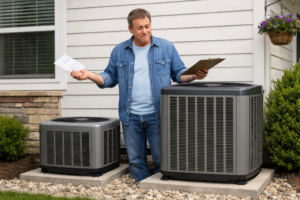
Your outdoor unit needs proper airflow. Dirt, debris, or vegetation can choke it.
Fix: Keep at least 2 feet of clearance around the unit.
How Tracy’s Climate Makes Short Cycling Worse
Living in Tracy, CA, you’re no stranger to intense summer heat. Triple-digit temperatures push your AC system to its limits.
When your system is already struggling with:
- Dirty filters
- Low refrigerant
- Improper sizing
…the added heat load makes short cycling happen faster and more frequently.
This is why local homeowners often notice the problem during peak summer months, not spring.
Signs Your AC Is Short Cycling (That You Might Miss)
Not all signs are obvious. Here’s what to watch for:
- AC turns on and off every 5–10 minutes
- Rising energy bills without increased usage
- Inconsistent indoor temperatures
- Weak airflow
- Unusual clicking or startup noises
If you notice two or more of these, short cycling is likely the culprit.
Step-by-Step: How to Troubleshoot Short Cycling
Before calling a professional, try these quick checks:
Step 1: Check Your Air Filter
If it’s dirty, replace it immediately.
Step 2: Inspect Thermostat Settings
Make sure it’s set correctly and not exposed to heat sources.
Step 3: Look at the Outdoor Unit
Clear away debris, leaves, and obstructions.
Step 4: Turn Off the System Temporarily
If you suspect frozen coils, let the system thaw for several hours.
If the problem continues after these steps, it’s time to call a professional.
When to Call a Professional HVAC Technician
You should call an expert if:
- The issue persists after basic troubleshooting
- You suspect refrigerant leaks
- Your AC is over 10 years old
- You hear unusual noises or smell burning
A trained technician can diagnose deeper issues before they become catastrophic.
How to Prevent AC Short Cycling in the Future
Prevention is always cheaper than repair.
Schedule Regular Maintenance
Twice-yearly tune-ups keep your system running efficiently.
Change Filters Regularly
Set reminders, this alone prevents many issues.
Ensure Proper System Sizing
If replacing your unit, always get a professional load calculation.
Keep Outdoor Units Clean
Routine cleaning ensures proper airflow.
How Short Cycling Affects Indoor Air Quality
Short cycling doesn’t just impact temperature, it quietly degrades your indoor air quality.
When your AC runs in full cycles, it:
- Filters airborne particles
- Removes humidity
- Circulates fresh, conditioned air
But with short cycling, none of that completes properly.
What this means for your home:
- Dust and allergens remain suspended
- Humidity levels stay high
- Mold risk increases (especially in warmer climates like Tracy)
Think of your AC like a washing machine. If it stops halfway through the cycle, your clothes don’t come out clean and your air doesn’t either.
The Hidden Cost of Ignoring Short Cycling
Most homeowners focus on repair costs, but the real expense is what happens over time.
Long-term financial impact:
- 20–30% higher energy bills
- Premature system replacement (years earlier than expected)
- Expensive compressor failure
A compressor replacement alone can cost nearly as much as a new system.
Short cycling is one of those problems where waiting doesn’t save money, it multiplies the cost.
AC Short Cycling vs. Normal Cycling: How to Tell the Difference
Not every on-off pattern is a problem.
Normal AC behavior:
- Runs 10–20 minutes per cycle
- Maintains steady indoor temperature
- Fewer than 3 cycles per hour
Short cycling behavior:
- Runs for only 2–5 minutes
- Frequently turns on and off
- Struggles to reach set temperature
If your AC feels like it’s “constantly starting up,” that’s your red flag.
Can Weather Changes Trigger Short Cycling?
Yes and in Tracy, this matters more than you think.
Rapid temperature spikes (common in Central Valley summers) can:
- Overload your system
- Expose existing weaknesses
- Trigger frequent cycling
Example:
A system that works “fine” in spring may suddenly short cycle during a 100°F heatwave.
That’s why many homeowners only notice the issue when summer peaks, not because it just started, but because conditions made it worse.
The Role of Ductwork in Short Cycling
Your AC system is only as good as the air pathways supporting it.
Poor ductwork can cause:
- Uneven airflow
- Pressure imbalances
- Overheating components
Leaks or blockages force your system to work harder, which can trigger early shutdowns.
Common duct-related issues:
- Crushed or disconnected ducts
- Poor insulation
- Air leaks in attic spaces
Even a perfectly functioning AC unit can short cycle if the duct system is compromised.
Why Older AC Systems Are More Prone to Short Cycling
Age plays a major role.
As systems get older:
- Components wear out
- Efficiency drops
- Sensors become less accurate
An aging system struggles to maintain consistent operation, making short cycling more common.
Warning signs tied to age:
- Frequent repairs
- Rising energy bills
- Inconsistent cooling
If your unit is over 10–12 years old and short cycling, it may be nearing replacement territory.
Smart Thermostats: Can They Help or Hurt?
Smart thermostats can be powerful, but only if used correctly.
They help by:
- Improving cycle consistency
- Learning your cooling patterns
- Preventing unnecessary system strain
But they can cause issues if:
- Installed incorrectly
- Programmed poorly
- Paired with incompatible systems
The key is proper setup. A smart thermostat should reduce cycling and not increase it.
Final Thoughts
AC short cycling is more than just a nuisance, it’s a warning sign.
Ignoring it can lead to:
- Sky-high energy bills
- Expensive repairs
- Complete system failure
The good news? Many causes are preventable and early action can save you thousands.
If your AC is constantly turning on and off, don’t wait. Address the issue now before Tracy’s summer heat turns a small problem into a major one.