
Choosing between a ductless mini-split and central air system isn’t just about cooling your home, it’s about comfort, efficiency, and long-term savings. In Tracy, California, where summer temperatures can climb quickly, the right HVAC system can make a dramatic difference in both your energy bills and daily comfort.
If you’re upgrading your current system or installing one for the first time, understanding the differences between these two popular options is critical.
Understanding Your Cooling Needs in Tracy, CA
Tracy’s climate is characterized by hot, dry summers and mild winters. That means your air conditioning system will do most of the heavy lifting for several months each year.
Homeowners here typically need:
- Strong cooling performance
- Energy efficiency to combat rising utility costs
- Reliable airflow across multiple rooms
But not every home is built the same and that’s where your choice of system matters.
What Is a Ductless Mini-Split System?
A ductless mini-split system consists of:
- An outdoor compressor
- One or more indoor air-handling units
- Refrigerant lines connecting them
Unlike traditional systems, mini-splits don’t require ductwork.
Key Benefits:
- Zoned cooling (different temps in each room)
- High energy efficiency
- Easy installation for older homes or additions
This makes them especially popular in homes without existing duct systems.
What Is a Central Air Conditioning System?
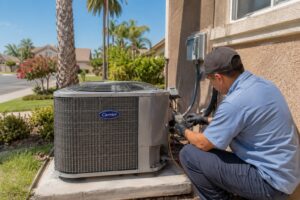
Central air conditioning uses:
- A central unit (compressor and condenser)
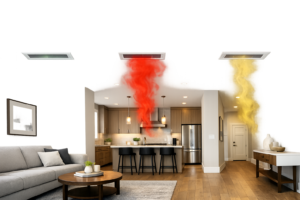
- A network of ducts
- Air vents to distribute cool air throughout the home
Key Benefits:
- Whole-home cooling
- Consistent temperature
- Cleaner aesthetic (no wall units)
This is the most common system in modern homes across California.
Key Differences at a Glance
| Feature | Ductless Mini-Split | Central Air |
|---|---|---|
| Installation | Simple, no ducts | Complex, requires ductwork |
| Efficiency | Very high | Moderate to high |
| Cooling Zones | Yes | Limited |
| Upfront Cost | Medium to high | High (if ducts needed) |
| Aesthetic | Visible units | Hidden system |
Energy Efficiency Comparison
When it comes to efficiency, ductless systems often take the lead.
Mini-splits avoid energy loss through ductwork, which can account for up to 30% of energy waste in central systems. That’s a significant advantage in Tracy, where AC usage is heavy in summer.
However, newer central air systems have improved dramatically and can still perform efficiently, especially in well-maintained homes with sealed ducts.
Installation Costs and Considerations
Ductless Mini-Split:
- Lower installation complexity
- Ideal for retrofits or room additions
- Cost increases with more zones
Central Air:
- Higher upfront cost if ductwork is required
- Best for homes already equipped with ducts
- Longer installation time
In Tracy, many older homes benefit more from ductless systems, while newer builds are often optimized for central air.
Comfort and Temperature Control
This is where mini-splits shine.
With zoned cooling, you can:
- Keep bedrooms cooler at night
- Reduce cooling in unused rooms
- Customize comfort for each family member
Central air, on the other hand, delivers uniform cooling but lacks that granular control unless paired with advanced zoning systems.
Home Design and Space Requirements
Mini-splits:
- Require wall-mounted units
- Flexible placement
- Great for garages, ADUs, and additions
Central air:
- Requires duct space (attic, walls, crawlspaces)
- Invisible inside living areas
- Better for larger homes with open layouts
Maintenance and Lifespan
Both systems require regular maintenance, but:
Mini-splits:
- Easier to maintain per unit
- Filters need frequent cleaning
Central air:
- Requires duct inspection and cleaning
- Annual servicing recommended
With proper care, both systems can last 10–20 years.
Which System Is Better for Tracy Homeowners?
The answer depends on your situation.
Choose Ductless Mini-Split If:
- Your home has no ducts
- You want zoned comfort
- You’re adding new rooms or spaces
Choose Central Air If:
- Your home already has ductwork
- You prefer a seamless look
- You want whole-home cooling with one system
For many Tracy homeowners, the decision comes down to home layout, budget, and lifestyle preferences.
Cost Breakdown: Ductless Mini-Split vs Central Air in Tracy, CA
When comparing ductless mini-splits vs central air in Tracy, CA, cost is often the deciding factor but it’s not as simple as upfront pricing.
Upfront Costs
A ductless mini-split system typically ranges from moderate to high depending on how many indoor units (zones) you need. A single-zone system may be relatively affordable, but costs increase with each additional room.
Central air systems, on the other hand, can be more expensive, especially if your home doesn’t already have ductwork. Installing ducts from scratch significantly increases labor and material costs.
Long-Term Operating Costs
Mini-splits are generally more energy-efficient, meaning:
- Lower monthly utility bills
- Less wasted energy
- Better performance in zoned cooling scenarios
Central air can still be efficient, but duct losses may increase operating costs over time.
Repair & Maintenance Costs
- Mini-splits: Lower per-unit repair cost but more units to maintain
- Central air: Higher single-system repair cost, plus duct maintenance
Bottom Line
If you’re looking for long-term savings and flexibility, ductless systems often provide better ROI. However, central air may offer better value if your home already has ducts installed.
Rebates & Energy Incentives in California
California homeowners have access to a variety of energy efficiency incentives that can significantly reduce HVAC upgrade costs.
Programs aligned with organizations like Energy Star often reward homeowners for choosing high-efficiency systems.
Common Incentives Include:
- State-level rebates for energy-efficient HVAC systems
- Utility company rebates for reduced energy usage
- Federal tax credits for qualifying installations
Why This Matters in Tracy
Given the heavy AC usage during hot months, upgrading to an energy-efficient system can qualify you for meaningful savings upfront and continued savings long-term.
Mini-split systems often qualify for higher rebates due to their efficiency ratings, but high-efficiency central systems may also be eligible.
Pro Tip
Always check current rebate programs before installation, these incentives change frequently and can dramatically impact your final cost.
Noise Levels: Which System Is Quieter?
Noise may not be the first thing you think about, but it becomes very noticeable once your system is running daily.
Ductless Mini-Split Noise
Mini-splits are known for quiet operation:
- Indoor units operate at very low decibel levels
- Ideal for bedrooms and offices
- Minimal vibration
Central Air Noise
Central systems are also relatively quiet indoors, but:
- Air moving through ducts can create sound
- Older duct systems may rattle or hum
- Outdoor units can be louder depending on placement
Real-World Experience
In most cases, mini-splits offer a quieter, more controlled sound environment, especially in smaller or zoned areas.
Indoor Air Quality & Filtration Differences
Air quality is a growing concern for homeowners, especially in areas affected by dust, allergens, or seasonal air changes.
Mini-Split Systems
- Built-in filtration in each indoor unit
- Cleaner air in individual zones
- Requires regular filter cleaning
Central Air Systems
- Whole-home filtration system
- Can integrate advanced filters or purifiers
- Depends heavily on duct cleanliness
Key Consideration
If your ducts are not properly maintained, central air systems can circulate dust and allergens. Mini-splits avoid this issue entirely by eliminating ductwork.
Best HVAC Option for Older Homes in Tracy
Older homes in Tracy often present unique HVAC challenges:
- No existing ductwork
- Limited attic or crawlspace access
- Structural limitations
Why Mini-Splits Excel Here
Ductless systems are often the best choice because:
- No ducts required
- Minimal structural changes
- Faster installation
When Central Air Still Works
Central air can still be viable if:
- Duct installation is feasible
- A full renovation is already planned
Bottom Line
For most older homes, mini-splits offer a cleaner, less invasive solution.
Impact on Home Resale Value
Your HVAC system can directly influence how buyers perceive your home.
Central Air Advantage
Many buyers expect central air, especially in suburban California markets. It can:
- Increase perceived value
- Appeal to traditional buyers
- Provide a familiar system
Mini-Split Advantage
Modern buyers increasingly value:
- Energy efficiency
- Zoned comfort
- Lower utility costs
Market Trend
Homes with upgraded, energy-efficient HVAC systems, regardless of type, tend to sell faster and at higher prices.
Smart Thermostat Compatibility & Tech Features
Technology is transforming how homeowners control comfort.
Central Air Systems
- Easily integrates with smart thermostats
- Whole-home scheduling
- Remote control via apps
Mini-Split Systems
- Many models include built-in smart controls
- App-based temperature adjustments
- Room-by-room customization
Which Is Better?
Mini-splits offer more granular control, while central air provides centralized convenience.
Common Mistakes Homeowners Make When Choosing HVAC
Choosing the wrong HVAC system can lead to years of discomfort and unnecessary costs.
Mistake #1: Choosing Based on Price Alone
Cheaper upfront doesn’t always mean better long-term value.
Mistake #2: Ignoring Home Layout
Your home’s structure plays a major role in system performance.
Mistake #3: Overlooking Energy Efficiency
Higher efficiency systems may cost more initially but save significantly over time.
Mistake #4: Not Considering Future Needs
Think about home additions, lifestyle changes, and long-term plans.
Mistake #5: Skipping Professional Guidance
A proper assessment ensures you choose the right system and not just a popular one.
Final Thoughts
There’s no one-size-fits-all answer when it comes to HVAC systems. Both ductless mini-splits and central air systems offer powerful cooling, but they serve different needs.
If you prioritize efficiency and flexibility, mini-splits are hard to beat. If you want simplicity and full-home coverage, central air remains a strong choice.
The key is matching the system to your home and not the other way around.